

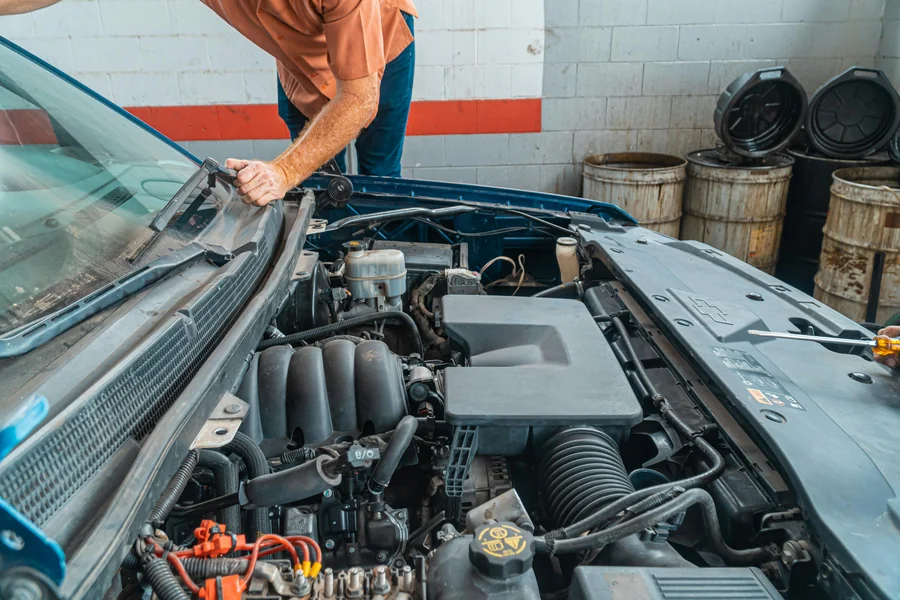
Diesel vehicles have a reputation for being tough, durable, and built to last. From heavy-duty trucks to specialized work vehicles, they’re known for handling long hauls, demanding workloads, and rough terrains with confidence. But while diesel engines are more robust than their gasoline counterparts, they aren’t immune to wear and tear. In fact, their complexity and unique design make them even more dependent on consistent, expert maintenance.
Regular diesel repair isn’t just about fixing a problem when it appears—it’s about ensuring your engine runs at its peak for years to come.
Diesel Engines: Built Strong, But Not Invincible
It’s true that diesel engines can outlast many gas engines, but that longevity depends heavily on how they’re cared for. The high compression ratios, heavy-duty components, and specialized fuel systems that make diesels powerful also create unique stress points.
Components like fuel injectors, turbochargers, and glow plugs work under intense conditions. If they’re not maintained regularly, they can degrade faster, affecting performance, fuel efficiency, and even causing engine failure. That’s why skipping routine check-ups can turn what should be a simple service into a costly overhaul.
More Than Just the Engine
When people think of diesel repair, they often focus solely on the engine. But diesel-powered vehicles rely on multiple interconnected systems that all need attention. The cooling system, exhaust system, and transmission each play a vital role in keeping the vehicle operating efficiently.
A thorough diesel repair service doesn’t just check the engine—it inspects these supporting systems too. An overheating issue might not be the result of the engine itself, but of a clogged radiator or faulty water pump. Catching these problems early saves you from bigger repairs down the road.
Performance Matters Every Mile
Diesel vehicles are often used for heavy workloads—towing, transporting goods, or running for hours at a time. Any drop in performance can quickly affect your productivity.
A well-maintained diesel engine delivers better torque, smoother acceleration, and improved fuel economy. On the other hand, an engine in need of repair might struggle under loads, burn more fuel than necessary, or produce excess exhaust smoke. By investing in regular diesel repairs, you’re not just avoiding breakdowns—you’re ensuring your vehicle performs at its best every time you hit the road.
The Diesel Fuel System: A Precision Machine
One of the most common issues with diesel engines comes from the fuel system. Diesel fuel injectors work under extremely high pressure and need to deliver fuel in precise amounts at the perfect time. Even a small buildup of carbon or debris can disrupt this process, leading to poor combustion, reduced power, and increased emissions.
Regular repair and maintenance clean and calibrate the fuel system, keeping the injectors, pumps, and filters in optimal condition. Ignoring these steps can lead to expensive repairs—and in severe cases, full injector replacement.
Small Problems Grow Fast in Diesel Engines
Diesel engines generate more heat and operate at higher pressures than gasoline engines. This means that small issues, if left unattended, can escalate quickly. A minor coolant leak might seem harmless, but under the high demands of a diesel engine, it can lead to overheating and warped cylinder heads in no time.
Routine repair checks catch these problems before they spiral into engine-threatening damage. It’s not about over-servicing—it’s about preventing a snowball effect that could take your vehicle out of commission.
Diesel Maintenance and Fuel Efficiency
One of the biggest benefits of diesel engines is their fuel economy, especially for long-distance driving. But that advantage disappears if the engine isn’t properly maintained.
Dirty air filters, worn injectors, or clogged exhaust systems can make the engine work harder, burning more fuel than necessary. Regular diesel repair restores efficiency, helping you get the most out of every gallon while keeping operating costs lower in the long run.
Extending the Life of Your Investment
For many owners, a diesel vehicle isn’t just transportation—it’s a serious investment. Whether it’s a personal truck, a commercial delivery vehicle, or a fleet truck, you want that investment to pay off over many years.
Scheduling routine diesel repair is the best way to protect that investment. By replacing worn parts before they fail, keeping systems clean, and ensuring everything is tuned to factory standards, you’re essentially adding years of reliable service to your vehicle’s life.
Why an Expert Makes the Difference
Diesel engines are not the same as gasoline engines, and they require a different set of skills, tools, and knowledge to service properly. An expert technician understands the unique timing requirements, pressure systems, and emission controls involved.
Shops like Elite Automotive invest in advanced diagnostic equipment and training, allowing them to pinpoint issues with precision instead of relying on guesswork. This expertise not only ensures the repair is done right the first time—it also helps prevent new issues from developing.
Listening to the Signs Your Diesel Needs Attention
Your vehicle will often give you signs when something’s wrong. Some common indicators include:
- Difficulty starting, especially in cold weather
- Excessive exhaust smoke (black, blue, or white)
- Reduced power or sluggish acceleration
- Strange noises from the engine or turbo
- Decreased fuel efficiency
If you notice any of these symptoms, it’s best to get a professional inspection as soon as possible. Acting quickly can mean the difference between a quick fix and a full engine teardown.
The Bottom Line: Prevention Beats Repair
While diesel engines are known for their toughness, they’re not indestructible. Neglecting regular diesel repair is like skipping health check-ups—you might feel fine now, but problems are brewing beneath the surface.
By keeping up with regular maintenance, you’re ensuring your diesel vehicle remains dependable, powerful, and efficient for years to come. Whether it’s hauling heavy loads, clocking long highway miles, or tackling challenging terrains, a well-maintained diesel engine will always rise to the occasion.
