

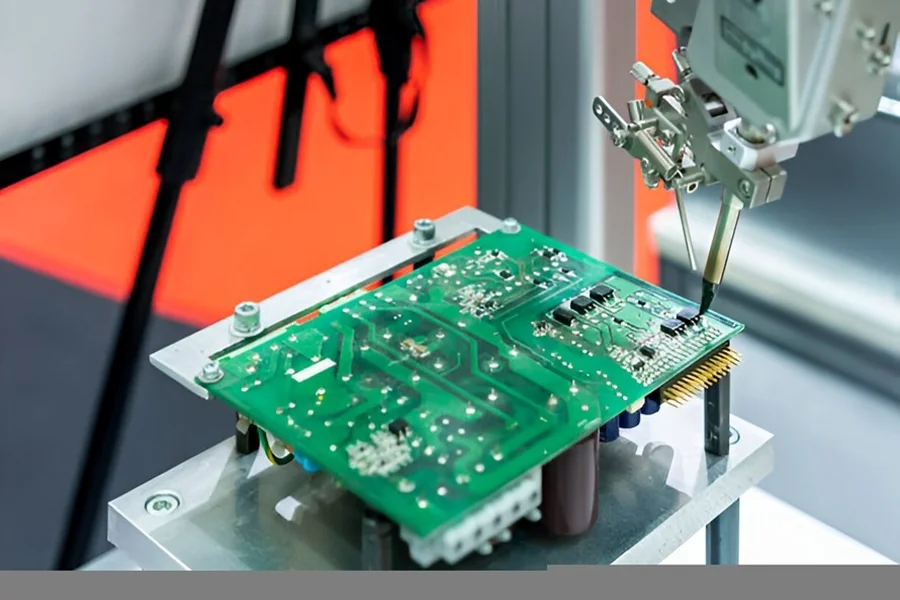
IC programming is the process of writing data, firmware, or specific instructions into an integrated circuit before it is placed onto a PCB or assembled into a final electronic product. Modern electronic devices rely heavily on programmable chips—microcontrollers, EEPROMs, Flash memory, PLDs, and more. IC programming ensures these components contain the correct logic and data required for the product to work as intended.
Why IC Programming Matters in Electronics Manufacturing
IC programming plays one of the most critical roles in electronic production because it allows manufacturers to customize chips at scale. Whether you are building consumer gadgets, industrial control systems, or automotive electronics, every IC must carry the right machine code to operate flawlessly.
Companies rely on IC programming to reduce manual labor, eliminate post-assembly programming challenges, and streamline testing. It also increases overall product reliability because chips are verified during programming to ensure no defective or corrupted IC is used during assembly.
Types of IC Programming
Onboard Programming (In-System Programming)
This method programs the IC directly after it is mounted on the PCB. It is useful when firmware updates or changes are expected frequently. The downside is that in-system programming takes more time and requires additional connectors or test points on the PCB.
Offline or Pre-Programming
Offline IC programming is done before PCB assembly. Manufacturers program chips in bulk using automated programming machines. These programmed ICs are then delivered directly to the assembly line. This is the most cost-effective and widely used method in high-volume production.
Secure IC Programming
For industries like automotive, defense, and IoT, where cybersecurity is critical, secure programming techniques ensure coded data cannot be copied or tampered with. Manufacturers use encryption keys, secure firmware loaders, and authentication protocols to protect intellectual property.
The IC Programming Workflow
Reviewing the Firmware
Every IC programming cycle begins with validating the firmware or data file. This ensures no syntax errors or compatibility issues exist.
Selecting Device Profiles
Programming machines must match the exact model of IC. Each profile contains voltage parameters, memory structure, required algorithms, and pin configurations.
Loading Firmware
The hex, bin, or other firmware file formats are loaded into the programmer’s software interface.
Programming and Verification
The programmer writes data into the chip. After programming, an automatic verification cycle compares the stored data with the original firmware. This catches corrupted ICs instantly.
Packaging and Delivery
After successful programming, ICs are placed into ESD-safe packaging and delivered to PCB assembly teams.
Key Benefits of IC Programming
Faster Production Cycles
Programming ICs in advance significantly reduces assembly time and reduces the need for additional hardware interfaces on the PCB.
Reduced Failure Rates
Programmed ICs undergo strict verification checks, ensuring only reliable components enter your assembly line.
Cost-Effective for All Volumes
Whether it’s a low-volume prototype or mass production, IC programming minimizes rework and technical issues later in the manufacturing cycle.
Secure Firmware Handling
By programming chips in controlled environments, manufacturers protect valuable code from unauthorized duplication.
Applications of IC Programming in Modern Electronics
Consumer Electronics
Every smartphone, smart appliance, wearable gadget, and entertainment device uses ICs programmed with customized instructions.
Automotive Electronics
From engine control units (ECU) to advanced driver assistance systems (ADAS), IC programming ensures high reliability and strict automotive-grade performance.
Industrial Automation
Robotic systems, factory control equipment, and power management devices rely heavily on pre-programmed ICs with precise logic.
Medical Devices
Medical-grade electronics require pre-programmed chips that maintain accuracy, safety, and consistency during device use.
Choosing the Right IC Programming Partner
Experience With Multiple IC Types
A capable programming partner should support microcontrollers from all major brands—Microchip, ST, NXP, Renesas, Infineon, and more.
Advanced Programmers & Automated Equipment
Automated gang programmers ensure uniform quality, fast throughput, and error-free verification.
Secure Data Handling
Strong security protocols help protect your firmware from leaks, unwanted duplication, or unauthorized access.
Seamless Integration With Assembly Services
A partner that combines IC programming with full PCB assembly can deliver faster turnaround and reduced logistics complexity.
Final Thoughts: Streamlining Your Production With IC Programming
IC programming is essential for any electronics manufacturing project that involves microcontrollers, memory chips, or programmable logic devices. By ensuring every chip is loaded with accurate firmware before assembly, manufacturers improve reliability, shorten lead times, and reduce field failures. If you want consistent programming quality along with smooth production and faster delivery, choosing a skilled china one-stop pcb assembly service provider can make a significant difference in your project outcomes.
