

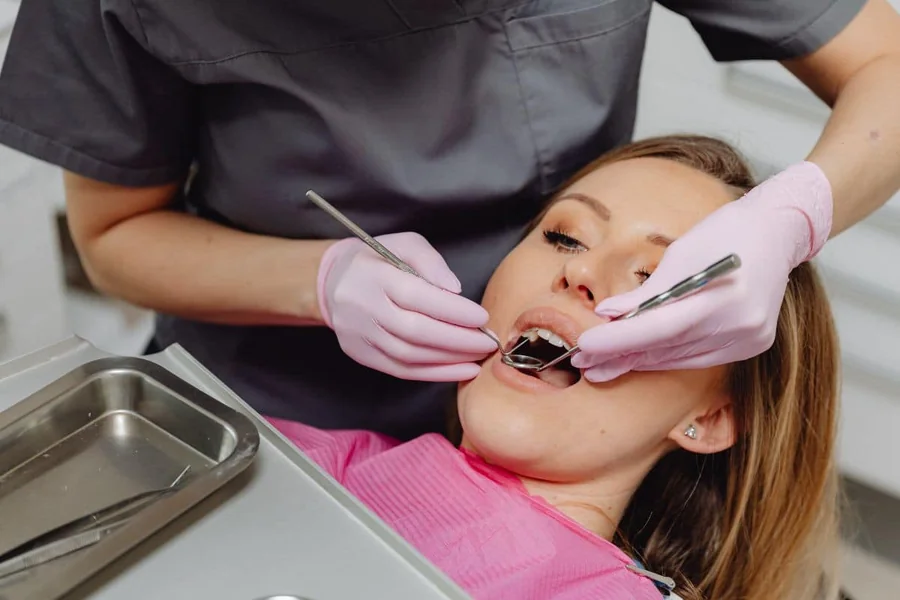
Dentistry used to run on templates. Same exam. Same cleaning. Same recommendations. Efficient, but not always effective.
Modern care looks different. Patients come in with different goals, habits, health histories, and expectations. Treating everyone the same creates gaps. Those gaps show up as failed treatments, low follow-through, and repeated problems.
Personalized treatment plans close those gaps. They match care to the person, not just the condition.
One Problem, Ten Different Patients
Take a simple issue like a missing tooth.
One patient wants a fast, low-cost fix. Another wants a long-term solution. A third is worried about surgery. A fourth has bone loss. A fifth travels often and needs fewer visits.
Same problem. Different paths.
A standardized plan ignores those differences.
“We had two patients come in the same week with almost identical cases,” says a clinician. “One chose an implant right away. The other needed time and a phased approach. If we pushed the same plan on both, one of them would have walked out.”
Personalization starts with listening. Not just symptoms. Priorities.
Better Plans Drive Better Follow-Through
A treatment plan only works if the patient follows it.
That sounds obvious. It’s often ignored.
Research from the National Institutes of Health shows that patient adherence improves when individuals feel involved in decision-making. When patients understand and agree with the plan, they stick with it.
“We had a patient who kept canceling appointments for a crown,” says a provider. “Turns out he didn’t fully understand why it mattered. Once we explained how the crack could spread and lead to tooth loss, he said, ‘Okay, now I get it.’ He completed treatment the same week.”
Clarity increases action. Action improves outcomes.
Timing Matters More Than You Think
Not every patient is ready for the same step at the same time.
Some need immediate treatment. Others need a staged approach.
Personalized planning accounts for timing:
- Financial readiness
- Health considerations
- Comfort level
Skipping this step creates friction.
“I remember a patient who needed multiple procedures,” says a clinician. “We mapped everything out in one go. He looked overwhelmed and said, ‘I can’t process all of this.’ We broke it into phases. He completed every step over the next year.”
Same treatment. Different delivery. Better result.
Risk Factors Change Everything
Every patient carries different risks.
Smoking. Diabetes. Grinding. Diet. Oral hygiene habits.
These factors affect:
- Healing time
- Success rates
- Maintenance needs
Ignoring them leads to problems.
A study in the Journal of Clinical Periodontology found that smokers have a higher risk of implant complications compared to non-smokers. That doesn’t mean implants fail. It means planning needs adjustment.
“We had a patient who ground his teeth heavily,” says a provider. “If we placed an implant without addressing that, it would have been under constant stress. We added a night guard and adjusted the plan. The implant held up perfectly.”
Customization reduces failure points.
Function Over Appearance
Some patients focus on aesthetics. Others care more about function.
A personalized plan balances both.
Fixing how teeth look without fixing how they work leads to repeat issues.
“We had a patient who wanted a cosmetic fix for worn teeth,” says a clinician. “The wear was caused by grinding. If we only addressed appearance, the new work would have worn down again. We treated the cause first, then the look. That made the result last.”
Good planning solves the root problem, not just the visible one.
Communication Shapes the Outcome
Patients don’t think like clinicians. They don’t need technical explanations. They need clear ones.
Personalized plans include communication style.
Some patients want detail. Others want the basics.
“I had a patient who kept nodding during explanations but never moved forward,” says a provider. “We switched to a simpler breakdown. No jargon. He said, ‘That’s the first time this made sense.’ He accepted treatment on the spot.”
Understanding leads to decisions. Decisions lead to results.
Flexibility Prevents Drop-Off
Life changes. Schedules shift. Budgets tighten.
Rigid plans break under pressure.
Flexible plans adapt.
This might include:
- Adjusting timelines
- Offering phased treatments
- Revisiting priorities
“We had a patient start a full treatment plan, then hit a financial setback,” says a clinician. “Instead of stopping everything, we adjusted the sequence. He kept moving forward. He finished the plan over time.”
Progress beats perfection.
Data Supports Personalization
Healthcare is moving toward individualized care for a reason.
A report from Deloitte found that patients are more satisfied and more likely to stay with providers who tailor care to their needs.
Retention matters. Consistency improves outcomes.
Patients who return regularly:
- Catch issues earlier
- Maintain better oral health
- Require fewer major interventions
Personalization builds that consistency.
Real-World Application
One approach worth noting is how Naples Dental and Wellness Center structures treatment planning. The focus stays on understanding each patient’s goals, lifestyle, and concerns before recommending solutions. That alignment keeps patients engaged and improves long-term results.
This is not about offering more options. It’s about offering the right ones.
Small Details, Big Impact
Personalization shows up in small ways:
- Scheduling around a patient’s work hours
- Adjusting anesthesia for comfort
- Recommending tools based on habits
These details build trust.
“I had a patient who hated flossing,” says a provider. “Instead of repeating the same advice, we suggested an alternative tool that fit his routine. He came back with healthier gums at the next visit.”
Matching solutions to behavior works better than forcing change.
The Compounding Effect
Better plans lead to better compliance. Better compliance leads to better outcomes.
Those outcomes reduce future problems.
That creates a cycle:
- Personalized care → better results
- Better results → higher trust
- Higher trust → continued care
The system feeds itself.
The Reality
Standardized care is faster. Personalized care is more effective.
The difference shows up over time.
Fewer complications. Fewer repeat procedures. Better patient satisfaction.
“I had a patient tell me, ‘This feels like it was built for me,’” says a clinician. “That’s the goal. Not just fixing teeth, but creating a plan that fits the person.”
That fit makes the result stick.
The Takeaway
Personalized treatment plans are not a luxury. They are a requirement for consistent results.
Every patient brings a different set of variables. Ignoring them creates risk. Addressing them creates stability.
Better outcomes don’t come from doing more. They come from doing the right thing for the right person at the right time.
That’s where personalization wins.
