

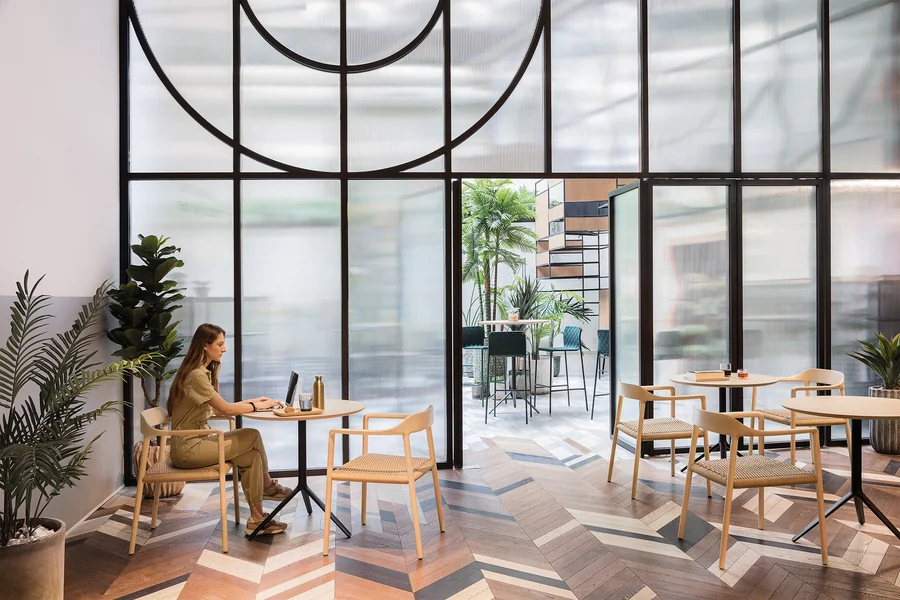
Have you ever wondered why some offices feel more energizing than others? What if the key to better focus and creativity isn’t working harder but taking smarter breaks? How can workspace design contribute to employee well-being beyond just providing a desk and chair?
In today’s fast-paced work environment, the answer often lies in the thoughtful integration of dedicated resting areas. These spaces, far from being mere extras, play a crucial role in boosting productivity, reducing stress, and fostering a healthy workplace culture.
The Evolution of Workspace Design
Workspace design has evolved significantly over the past few decades. The shift from rigid cubicles to open-plan offices marked a major step towards fostering collaboration and flexibility. However, open-plan designs often neglected the human need for quiet, personal space, resulting in distractions and burnout.
Enter the concept of resting areas—spaces deliberately created to offer employees a refuge from the constant stimulation of work. These areas can range from cozy lounges and nap pods to quiet zones and wellness rooms. The purpose? To provide a physical and mental break that rejuvenates employees, helping them return to their tasks refreshed and focused.
Why Resting Areas Matter
Research in occupational health and psychology consistently shows that breaks during work significantly improve concentration, reduce stress, and enhance cognitive function. Without proper rest, employees can suffer from decision fatigue, decreased creativity, and lowered morale.
Resting areas directly address these issues by offering a comfortable environment for employees to pause, relax, and reset. They enable micro-breaks where workers can engage in activities such as meditation, stretching, or simply sitting quietly away from their screens.
Benefits for Employees
- Reduced Stress and Burnout: Resting areas provide a sanctuary from workplace stressors. Quiet rooms or spaces with natural elements like plants and soft lighting help lower cortisol levels and calm the mind.
- Enhanced Creativity: Stepping away from a task allows the subconscious mind to process information, leading to new ideas and solutions. Informal spaces encourage casual interactions that spark creativity and innovation.
- Improved Physical Health: Ergonomically designed lounges or nap pods encourage postural shifts and short naps that combat fatigue. This can reduce headaches, eye strain, and musculoskeletal issues associated with prolonged desk work. Some modern resting areas even accommodate spaces where employees who use vapes can do so comfortably and without disturbing others, reflecting the design’s inclusiveness and respect for diverse needs.
- Better Focus and Productivity: Short breaks taken in resting areas can improve attention span and prevent mistakes caused by mental exhaustion. When employees feel cared for, their motivation and engagement increase.
Benefits for Employers
Organizations that prioritize resting areas often see measurable returns on investment. These include:
- Lower Absenteeism: Healthier, less stressed employees tend to take fewer sick days.
- Higher Retention Rates: A workspace that supports employee well-being attracts and retains talent.
- Boosted Collaboration: Rest areas encourage informal socializing, which can strengthen team bonds and improve communication.
- Positive Employer Brand: Modern workspaces with wellness features enhance company reputation.
Key Elements of Effective Resting Areas
Creating a successful resting area involves more than just placing a few sofas in a corner. Consider these critical elements:
- Location: Rest zones should be easily accessible but physically separated from high-traffic and noisy areas to ensure tranquility.
- Comfort: Furniture should support relaxation—think soft seating, adjustable lighting, and temperature control.
- Privacy: Providing options for solitude or small group interaction respects different needs for rest and socializing.
- Biophilic Design: Incorporating natural materials, plants, and views of nature has been shown to reduce stress and improve mood.
- Technology-Free Zones: To truly rest, employees need spaces where digital devices are discouraged or restricted.
- Flexibility: Spaces that can adapt to different uses (meditation, social breaks, naps) maximize their utility.
Examples in Practice
Some companies are setting inspiring examples by investing in innovative resting areas. Google’s nap pods and quiet zones are famous for promoting wellness and productivity. Similarly, Airbnb’s “Zen rooms” offer spaces for meditation and mindfulness. Smaller businesses can adopt simpler solutions, like creating cozy corners with bean bags or setting up quiet rooms with soft music and low lighting.
Overcoming Challenges
Despite the clear benefits, some organizations hesitate to incorporate resting areas due to space constraints or cultural attitudes that equate constant busyness with productivity. Overcoming these challenges requires a mindset shift, supported by education about the science of rest and its impact on performance.
Moreover, workplace culture should celebrate the use of resting areas rather than stigmatize breaks. Leadership can model healthy habits by encouraging employees to take breaks and use these spaces without guilt.
Conclusion
Resting areas are more than just a trend in workspace design—they are a vital component of a healthy, productive work environment. By prioritizing employee well-being through thoughtful design, organizations can foster a culture of balance, creativity, and sustained performance.
As the future of work continues to evolve, integrating restful spaces will be a key differentiator for companies seeking to thrive in an increasingly competitive and dynamic landscape. Investing in rest is, ultimately, investing in the human capital that drives business success.
