

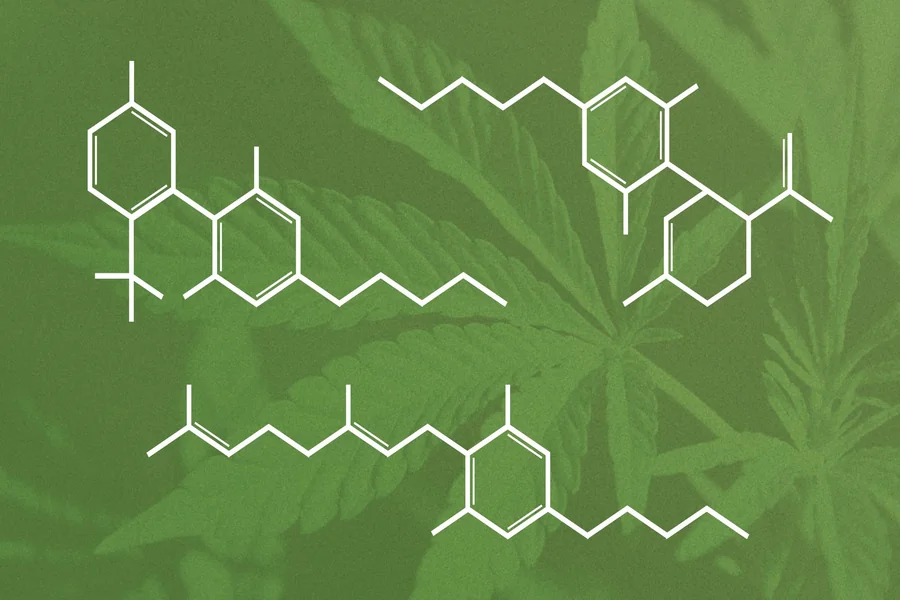
As the cannabis industry continues to evolve, more people are discovering the unique compounds within the plant that offer a range of potential health benefits. While most are familiar with THC (tetrahydrocannabinol) — the compound responsible for the “high” — there’s growing interest in THCA, or tetrahydrocannabinolic acid. Unlike THC, THCA is non-psychoactive, yet it may provide many of the same therapeutic effects without altering your mental state.
In this article, we’ll explore what THCA is, how it differs from THC, its potential health benefits, the types of THCA products available, and how to use it safely and legally.
What is THCA?
THCA stands for tetrahydrocannabinolic acid, a naturally occurring cannabinoid found in raw and live cannabis plants. It is the precursor to THC, meaning it’s the compound that eventually turns into THC when exposed to heat in a process called decarboxylation.
In fresh cannabis flower, you won’t find active THC. Instead, the plant is rich in THCA. When cannabis is dried and then smoked, vaped, or cooked, THCA loses a carboxyl group (COOH), turning into the psychoactive compound THC.
THCA vs. THC: What’s the Difference?
While THCA and THC are chemically related, they produce very different effects:
| Feature | THCA | THC |
|---|---|---|
| Psychoactive Effects | None | Yes – causes a “high” |
| Found In | Raw or unheated cannabis | Heated or aged cannabis |
| Medical Uses | Anti-inflammatory, neuroprotective | Pain relief, anxiety, sleep |
| Legal Status (varies) | Often legal under hemp laws | Heavily regulated |
Because THCA is non-psychoactive, users can experience potential therapeutic benefits without the intoxicating effects of THC. This makes THCA an attractive option for individuals who want the health benefits of cannabis without feeling “high.”
Potential Health Benefits of THCA
Though research is still developing, early studies and anecdotal reports suggest that THCA may offer several therapeutic benefits:
-
Anti-Inflammatory
One of the most promising uses for THCA is its anti-inflammatory properties. Inflammation is a root cause of many chronic illnesses, and THCA may help reduce symptoms in conditions such as arthritis, lupus, or inflammatory bowel disease (IBD).
-
Neuroprotective Properties
Some research indicates that THCA may help protect the brain and nervous system. It could potentially benefit individuals with neurodegenerative diseases like Alzheimer’s, Parkinson’s, or multiple sclerosis.
-
Anti-Nausea
THCA has shown potential as an anti-emetic, helping to relieve nausea and vomiting. This could be especially useful for patients undergoing chemotherapy or those with chronic gastrointestinal issues.
-
Antioxidant Effects
THCA may help combat oxidative stress in the body, which is linked to aging and disease. Its antioxidant properties can support overall cellular health.
-
Appetite Stimulation
Like THC, THCA may stimulate appetite, helping people who struggle with appetite loss due to illness, medications, or eating disorders.
It’s important to note that while THCA is showing promise, more human clinical trials are needed to fully understand its effectiveness and safety for various conditions.
How to Consume THCA
Since THCA turns into THC when heated, consuming it raw or in unheated forms is key to preserving its non-psychoactive nature. Common ways to use THCA include:
-
Raw Cannabis
Juicing or blending raw cannabis leaves and flowers is a popular way to consume THCA. This method maintains the compound’s natural state and provides a nutrient-rich health supplement.
-
Tinctures
Some cannabis companies offer THCA tinctures, which are typically alcohol- or oil-based extracts. These are taken sublingually (under the tongue) for faster absorption.
-
Capsules
THCA capsules offer a convenient, smoke-free option with consistent dosing, ideal for medical users.
-
THCA Edibles
Certain cold-processed edibles may contain THCA. These must be made without heating the cannabis in order to preserve the compound.
-
Topicals
THCA can also be infused into lotions, balms, or salves for targeted relief. Applied directly to the skin, THCA does not enter the bloodstream and will not cause any intoxication.
Legality of THCA
The legal status of THCA depends on a few factors — mainly the source of the cannabis and local laws.
- Hemp-derived THCA products that contain less than 0.3% Delta-9 THC are federally legal under the 2018 Farm Bill in the United States.
- State laws vary: Some states treat THCA the same as THC, especially because it can be converted into THC when heated. Other states allow THCA-rich hemp products.
- THCA flower is often sold as “legal THC” in some regions, but law enforcement may still treat it like cannabis depending on local interpretation.
Before purchasing or using THCA products, check your state and local laws to ensure compliance.
THCA and the Future of Cannabis Wellness
As more people turn to natural health and wellness solutions, THCA is quickly emerging as a standout cannabinoid for those seeking relief without the high. It bridges the gap between medical cannabis and everyday wellness supplements, offering a gentler alternative for managing inflammation, supporting brain health, and improving quality of life.
Additionally, as scientists and healthcare providers continue to explore cannabis-based therapies, THCA’s role in medicine is likely to expand. Its unique properties may position it as an important therapeutic option in the coming years.
Final Thoughts
THCA is a powerful, non-intoxicating cannabinoid that offers a range of potential health benefits without the mind-altering effects of THC. From raw juicing to tinctures and topicals, there are several safe and legal ways to incorporate THCA into your wellness routine.
Whether you’re new to cannabis or an experienced user looking for non-psychoactive alternatives, THCA is worth exploring. As always, consult with a healthcare professional before beginning any new supplement regimen, especially if you have existing health conditions or take medication.
