

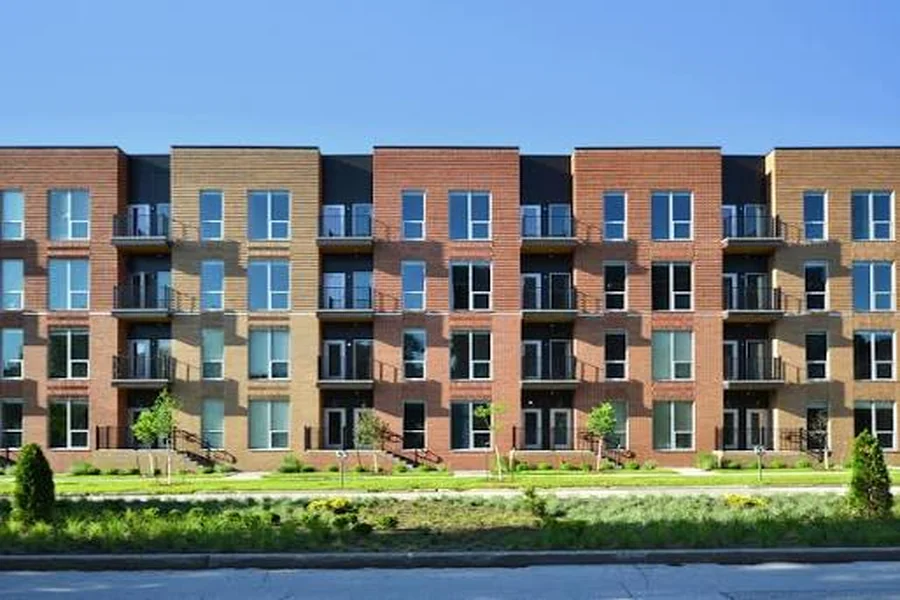
Multifamily isn’t a bigger house. It’s a different animal. You’re building for dozens of households at once, the building has to pass safety and accessibility checks, and years from now someone has to keep it running. Design, engineering, budget and site work have to line up. They almost never do by themselves.
And the costly surprises? They start early. Whatever you decide before construction shapes the cost, the schedule and how the building works. So here’s what owners and investors should look at first.
1. Look at the site before you lock the design
Start with the land. Boundaries, soil, drainage, utilities, zoning, what’s around it. All of that decides what you can build. A great design on a lot that can’t handle it is just a nice drawing.
Match what the site allows against the size and unit count you want. Tight lot, poor access? Then you’ve got questions. Where do the cranes go? Where do deliveries wait? Where does the material sit?
This matters a lot on multifamily construction New Jersey developers take on, because so many projects land in established neighborhoods, dense areas or lots with no spare room. Check conditions first. A constraint on paper is cheap to fix. After the excavator shows up, it isn’t.
2. Know the zoning and approvals
Zoning, building codes, local approvals. They can all touch height, density, setbacks, parking, accessibility and fire protection. And every town does it a little differently, so don’t assume the last project’s answers apply to this one.
Figure out which approvals you need before you promise anyone a schedule. Planning board review, engineering submissions, utility sign-offs, extra permits. Some projects need all four.
Put the architect, engineer, consultants and builder in one room early. You’ll keep the rules in view while the design can still bend, and everyone will know what has to happen before work starts.
3. Build a budget that matches reality
Visible building work is only part of the cost. Site prep, utility hookups, structure, mechanical, finishes, professional fees, contingency. It adds up fast. Leave out the contingency and you’ll wish you hadn’t.
Read the drawings and specs until the scope is clear. Compare materials. Look at other ways to build it. And flag long-lead items early, since they’re where schedules and budgets slip.
When you’re hiring a multifamily general contractor Jersey City developers work with, ask how they build an estimate. How do they coordinate subcontractor pricing? How do they document changes? A good answer is specific. A vague one tells you plenty.
Once work begins, you want regular cost reports. What’s been spent. What’s committed. That way, when the ground surprises you, you can make a calm decision instead of a panicked one.
4. Coordinate the trades
A multifamily building is a pile of work that depends on other work. Structure, plumbing, electrical, heating and cooling, fire protection, interiors. All of it has to fit, in the right order.
Get the order wrong and one trade blocks another. Or finished work gets ripped out and redone, and somebody pays for it. Review the drawings. Sort out the conflicts. Set clear installation schedules.
Choosing a new construction multifamily builder NJ owners can trust? Watch how they run their subcontractors. Do they walk the site? Do they know what each trade finished yesterday? That tells you more than any brochure.
Weekly site meetings help. So do written instructions and a posted inspection schedule. Put it on paper, and when two crews end up in the same stairwell, nobody has to argue about whose job it was.
5. Keep quality consistent
Quality isn’t something you check once at the end. By then it’s too late.
Anything that gets covered up needs eyes on it first: structure, waterproofing, the building envelope, pipes and ducts behind the walls. Once the drywall goes up, nobody’s looking at it again.
So inspect as you go. Does the work match the approved drawings and specs? If not, write the problem down, give it an owner, and check the fix yourself before anyone calls it finished.
And don’t save your attention for the apartments. The lobby, the entrance and the corridors are what people see every day. A building that’s consistent from front door to unit door tends to get fewer complaints after move-in.
6. Plan for how the building performs over time
Someday construction ends and somebody has to run the place. Tough finishes, service areas you can actually reach, systems that work together and layouts that make sense all make that job easier. They make life better for residents too.
So ask the dull questions now. Who services the equipment, and how do they get to it? Who looks after the common areas? Were these materials chosen for how people will really use the building?
High-end homes work the same way. A luxury home builder New Jersey clients hire gets judged on the details: how materials are installed, how the trades were coordinated, whether the finish matches what was promised. Small mistakes are easy to spot.
At any scale, a Bergen County general contractor should be able to show you how they coordinate the work, record decisions and keep you informed. Ask for that up front. It matters on every job.
The short version
Good multifamily construction in New Jersey comes down to four things: planning, a realistic budget, coordinated trades and steady quality control. Skip one and the others suffer. So get developers, designers and builders talking early, and keep them talking.
Red Acorn Builders works with developers and property owners on multifamily and mixed-use projects. Planning and construction management that are organized from the start help set clear expectations and catch problems early. The aim is a project that stays on track from design to completion.
