

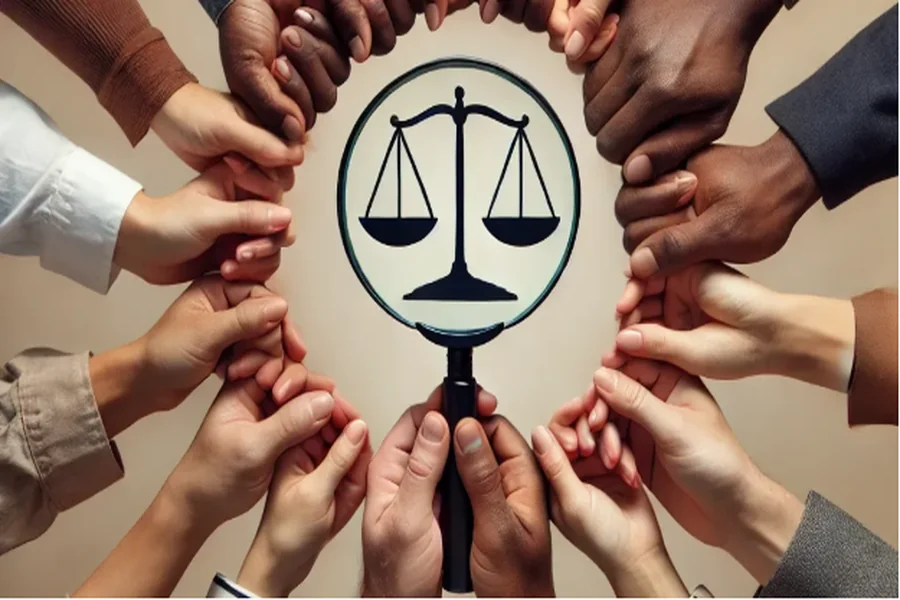
One of the biggest misconceptions about investigations is that good investigators are completely objective. People often assume that experience alone eliminates bias and that seasoned professionals naturally evaluate every case with perfect neutrality.
I do not believe that is how investigations work.
Every investigator brings life experience, professional knowledge, personal values, and individual perspectives into every case. Those experiences are valuable because they help investigators recognize important issues and ask thoughtful questions. At the same time, those same experiences can quietly influence how evidence is interpreted if investigators are not careful.
Over the years, I have become convinced that the strongest investigators are not the ones who believe they are free from bias. They are the ones who recognize that bias is something to manage rather than something to deny.
That perspective has changed the way I approach every investigation.
Bias Is Usually Much More Subtle Than People Expect
When people hear the word “bias,” they often picture someone intentionally favoring one side over another. In reality, most bias is much less obvious.
An investigator may begin reading a complaint and immediately think it sounds similar to another case they handled years ago. A witness who communicates confidently may appear more credible than someone who is nervous, even though confidence and credibility are not the same thing. An investigator may also spend more time looking for evidence that supports an early impression while paying less attention to information that points in a different direction.
None of these situations necessarily involve bad intentions.
They simply reflect the way the human brain naturally tries to organize information.
Recognizing that tendency is one of the most important responsibilities an investigator has.
Experience Can Be Both Helpful and Dangerous
Experience is one of the greatest assets an investigator can develop. It improves judgment, strengthens organization, and makes it easier to recognize issues that might otherwise be overlooked.
At the same time, experience creates its own challenges.
The more investigations someone conducts, the easier it becomes to believe they have seen every possible situation before.
I have certainly caught myself thinking that way.
There have been times when I reviewed a complaint and immediately believed I understood where the investigation was headed. Whenever that happens, I try to remind myself that no two investigations are truly the same.
The people are different.
The circumstances are different.
The evidence is different.
If I allow previous experience to shape my conclusions before gathering the facts, I risk overlooking information that deserves careful attention.
Experience should improve an investigation, but it should never replace curiosity.
The Policy Should Always Come Before Personal Impressions
One habit that has helped me throughout my career is beginning every investigation by reviewing the applicable policy before developing an investigative strategy.
That may sound like a simple step, but it serves an important purpose.
The policy identifies the specific issues that must be evaluated. It defines the elements that need to be established and provides the framework for every decision that follows.
When I focus on the policy first, I spend less time wondering what I think happened and more time identifying the facts I need to gather.
That approach keeps the investigation grounded in established procedures rather than personal opinions.
It also creates greater consistency because every investigation begins with the same objective framework.
Asking Better Questions Helps Reduce Assumptions
One lesson I have learned is that investigators often reveal their own assumptions through the questions they ask.
If every question is designed to confirm an early theory, the investigation gradually becomes narrower instead of broader.
I have found it much more helpful to approach interviews with genuine curiosity.
Before every interview, I spend time thinking about what information could change my understanding of the case. I ask myself whether there are explanations I have not yet considered or evidence that might challenge my initial impressions.
Those questions help me remain open-minded throughout the investigation.
Curiosity has become one of the most valuable investigative skills I have developed because it encourages me to follow the evidence instead of protecting my first impression.
Evidence Should Challenge Your Thinking
I believe one of the purposes of evidence is to challenge investigators rather than simply confirm what they already believe.
There have been investigations where I reviewed the complaint and thought I had a clear understanding of the issues involved. Then a witness shared information that completely changed how I viewed the sequence of events.
In other situations, documents that I expected to support one version of events instead raised entirely new questions.
Those moments can be uncomfortable because they require investigators to adjust their thinking.
At the same time, those moments represent the investigative process working exactly as it should.
If new evidence never changes an investigator’s perspective, it is worth asking whether the investigator is truly evaluating the evidence or simply looking for confirmation of an early conclusion.
Another Perspective Can Strengthen an Investigation
One practice I have always appreciated is asking another experienced professional to review significant investigations whenever appropriate.
A colleague who has not spent weeks immersed in the details often notices things that I may have overlooked.
Sometimes they identify an area that needs additional clarification. Other times they ask a question that encourages me to gather one more piece of evidence before reaching a conclusion.
I remember one colleague reviewing a report and asking me a simple question that completely changed how I explained my analysis. They asked whether someone reading the report six months later would understand why I reached my conclusions or whether they would simply see the conclusion itself.
That question stayed with me.
It reminded me that a good report should explain not only what was decided but also how the evidence supported that decision.
As Jeffrey Lamoureaux, Title IX often shares during investigator training, “One of the best reviews I ever received was from a colleague who challenged my reasoning instead of my conclusion. That conversation improved the report, and it also improved the way I approached future investigations.”
Professional Growth Helps Investigators Stay Objective
The investigative profession continues to evolve as regulations change, policies are updated, and new best practices emerge.
According to the U.S. Equal Employment Opportunity Commission, regular education and training are essential components of effective investigation and harassment prevention programs because they strengthen consistency, accountability, and informed decision-making.
I believe continuing education serves another important purpose as well.
Training encourages investigators to examine their own habits, discuss difficult situations with experienced colleagues, and consider perspectives they may not have encountered before.
No investigator ever reaches a point where there is nothing left to learn.
Practical Habits That Help Reduce Bias
Managing bias is not about pretending it does not exist. It is about developing habits that reduce its influence throughout the investigative process.
Investigators can strengthen their objectivity by reviewing the applicable policy before planning interviews, preparing investigative questions in advance, looking for evidence that challenges rather than confirms their early impressions, organizing all available information before evaluating credibility, seeking thoughtful peer review when appropriate, participating in ongoing professional development, and reflecting on completed investigations to identify opportunities for improvement.
These practices may appear simple, but together they create a stronger and more reliable investigative process.
Self-Awareness Is One of an Investigator’s Greatest Strengths
Looking back over my career, I have become convinced that fairness begins with self-awareness.
Technical knowledge, investigative experience, and strong communication skills are all important. However, investigators must also be willing to examine their own thinking with the same level of care they apply to the evidence they collect.
The investigators I respect most are not the ones who believe they already have the answers before an investigation begins. They are the professionals who remain curious, continue learning, ask better questions, and allow the evidence to guide every decision they make.
That commitment to self-awareness protects the integrity of the investigative process and helps ensure that every conclusion is based on careful analysis rather than personal assumptions. In the end, that is one of the most important responsibilities any investigator can accept.
