

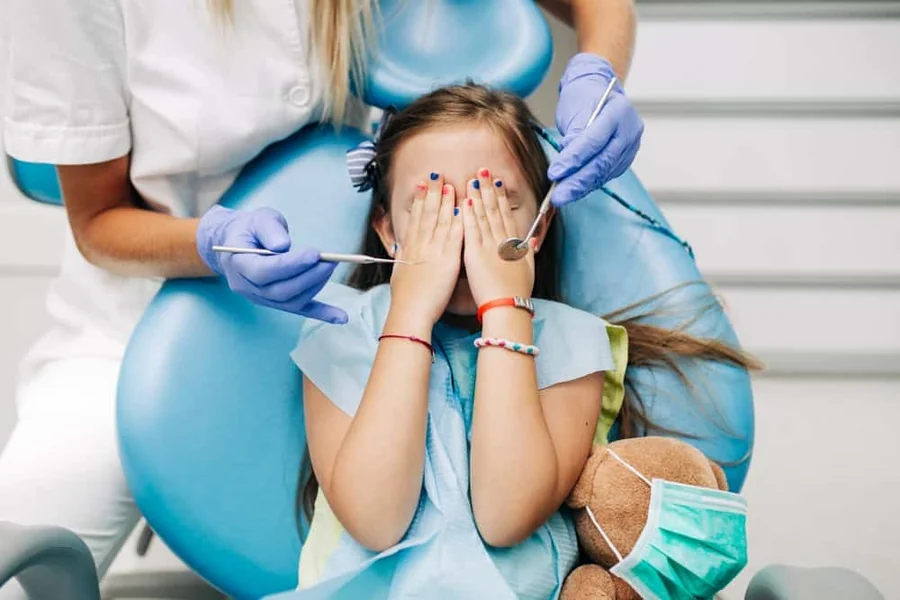
Early Experiences and the Formation of Health Perception
Childhood experiences play a foundational role in shaping lifelong attitudes toward healthcare. This is particularly true in dentistry, where early visits can influence how individuals perceive oral care well into adulthood. Psychological research in behavioral development consistently shows that early encounters with healthcare environments form cognitive associations that persist over time.
When a child’s initial dental experiences are positive, predictable, and supportive, the brain is more likely to categorize dental care as safe and routine. Conversely, experiences characterized by confusion or discomfort can contribute to long term avoidance behaviors. These early associations are not formed solely by clinical outcomes but by the overall environment, communication style, and emotional tone of the experience.
As a result, pediatric dental care is not only about maintaining oral health during childhood. It is also about shaping long term attitudes toward preventive care and routine health maintenance.
The Psychology of Familiarity and Trust
Familiarity is one of the strongest factors in reducing fear responses. In unfamiliar environments, especially those involving sensory novelty such as dental offices, the brain tends to heighten alertness as a protective mechanism. This is a natural psychological response designed to assess potential risk.
When children are repeatedly exposed to a calm, structured, and welcoming dental environment, that initial alertness gradually decreases. Over time, the brain begins to recognize the setting as predictable rather than uncertain. This shift is essential in building long term trust.
Trust in healthcare environments is not formed instantly. It develops through repetition, consistency, and positive reinforcement. Each successful visit reinforces the idea that dental care is a normal and manageable part of life rather than something to be feared or avoided.
This early conditioning can significantly reduce anxiety in adulthood, where dental visits are more likely to be maintained consistently rather than postponed due to fear.
The Role of Communication in Pediatric Dentistry
Communication plays a central role in shaping how children interpret dental experiences. The way information is presented can influence whether a child feels engaged, confused, or reassured.
Effective pediatric communication involves clear, age appropriate explanations that help children understand what is happening without overwhelming them. When children are told what to expect in simple and transparent terms, uncertainty is reduced. This helps create a sense of control, which is critical in minimizing fear responses.
Nonverbal communication is equally important. Tone of voice, body language, and pacing all contribute to how safe and comfortable a child feels in the dental environment. A calm and patient centered approach helps reinforce positive associations over time.
These communication strategies are not only beneficial during the appointment itself. They also influence how children talk about dental care afterward, which further reinforces their perception of it as a normal part of life.
Preventative Care as a Foundation for Lifelong Oral Health
Preventative care during childhood establishes patterns that often continue into adulthood. Regular checkups, cleanings, and early monitoring help children become accustomed to routine dental visits before any complex treatment is needed.
This early exposure is important because it normalizes the concept of maintenance rather than intervention. When children grow up associating dental care with routine upkeep rather than problem solving, they are more likely to continue attending regular appointments as adults.
Preventative care also reduces the likelihood of negative early experiences. By addressing potential concerns early, dental professionals can help minimize the need for more extensive procedures later in life. This contributes to a more consistent and less stressful dental history overall.
Georgian Mall Family Dental emphasizes this preventative philosophy by supporting families in building long term oral health routines that begin in childhood and continue through adulthood.
The Influence of Environment on Comfort Levels
The physical environment of a dental office plays a significant role in shaping pediatric experiences. Children are highly sensitive to sensory input, including sounds, lighting, textures, and spatial layout.
A calm, welcoming, and structured environment can help reduce sensory overload and create a sense of safety. When children feel comfortable in their surroundings, they are more likely to engage positively with the dental team and the care process.
Consistency in environment also matters. Familiarity with the same setting, staff, and routine helps reinforce predictability. Over time, this reduces uncertainty and contributes to a stable emotional association with dental care.
Family centered practices often design their environments with these psychological principles in mind, ensuring that both children and parents feel supported throughout the visit.
The Long Term Impact of Positive Reinforcement
Positive reinforcement is a key mechanism in behavioral development. When children receive encouragement, reassurance, and recognition during dental visits, they are more likely to associate the experience with positive emotions.
This reinforcement does not need to be elaborate. Simple acknowledgment of cooperation, clear communication about progress, and a supportive atmosphere are often sufficient to create lasting positive impressions.
Over time, these repeated experiences shape behavioral expectations. Adults who experienced positive reinforcement in childhood dental care are more likely to maintain regular visits, communicate openly with dental professionals, and seek care proactively rather than reactively.
This continuity contributes to better long term oral health outcomes and reduces the likelihood of fear based avoidance behaviors in adulthood.
Parental Influence and Shared Experience
Parents play a critical role in shaping how children perceive dental care. Children often model emotional responses based on the behavior and attitudes of their caregivers. If a parent demonstrates calmness, confidence, and routine engagement with dental visits, children are more likely to adopt similar attitudes.
Conversely, if dental care is discussed with anxiety or avoidance, children may internalize those perceptions even without direct negative experiences of their own.
Shared family experiences at the dentist can help normalize oral care as a regular part of life. When families attend appointments together and treat dental visits as routine rather than exceptional events, children are more likely to develop balanced and healthy perspectives.
Georgian Mall Family Dental supports this family centered approach by creating an environment where children and parents can experience care together in a consistent and supportive setting.
Building Confidence Through Consistency
Confidence in dental settings is built over time through consistent exposure and positive reinforcement. Each visit contributes to a cumulative sense of familiarity and predictability.
This consistency helps children develop a stable framework for understanding dental care. Rather than viewing it as unpredictable or intimidating, they begin to see it as a structured and manageable part of their overall health routine.
As children transition into adolescence and adulthood, this established framework often remains. Individuals who have experienced consistent, positive dental care are more likely to continue prioritizing oral health throughout their lives.
Creating Lifelong Attitudes Toward Oral Health
The ultimate impact of positive pediatric dental experiences extends far beyond childhood. It influences how individuals approach health maintenance, preventive care, and healthcare engagement in general.
When dental care is introduced as a normal, supportive, and predictable experience early in life, it becomes integrated into a broader understanding of personal well being. This reduces barriers to care and encourages long term engagement with oral health practices.
By focusing on comfort, communication, and prevention, Georgian Mall Family Dental contributes to shaping these lifelong attitudes in a way that supports both individual and family well being.
Early experiences matter, not only for immediate oral health outcomes, but for the development of enduring confidence in dental care throughout life.
