

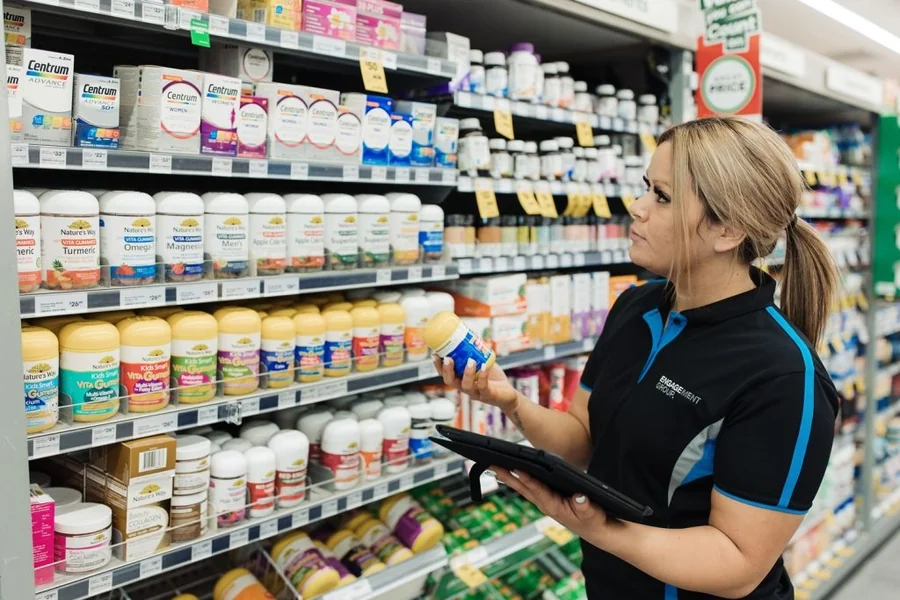
For many entrepreneurs, getting a product into retail feels like the ultimate milestone. Months of development, pitching, and preparation finally pay off when a buyer says yes and a product lands on store shelves. For a moment, it feels like the hard part is over.
But in reality, retail placement is only the beginning.
Many brands celebrate getting into retail without fully understanding what it takes to stay there. Retail is highly competitive, and shelf space is extremely valuable. If a product does not perform, retailers quickly replace it with something else.
This is why so many brands fail after entering retail. Not because their product is bad, but because they underestimate what happens after placement. The difference between brands that succeed and brands that disappear often comes down to preparation, strategy, and execution.
Understanding the most common mistakes can help entrepreneurs avoid these pitfalls and build a stronger path to long-term retail success.
Mistake #1: Thinking Retail Placement Is the Finish Line
One of the biggest mistakes brands make is believing that retail placement is the goal. In reality, it is simply the starting point.
Retailers care about one thing above all else: performance. If a product sells well, it stays on the shelf. If it doesn’t, that shelf space will eventually go to another product.
Many brands focus heavily on getting into stores but fail to develop a strategy for what happens next. Without a plan to drive consumer demand, even a great product can struggle to move.
Successful brands approach retail with a long-term mindset. They understand that landing in stores creates an opportunity—but maintaining that opportunity requires ongoing effort.
Mistake #2: Failing to Support Retail With Marketing
Another common mistake is assuming that simply being in a store will generate sales.
In reality, most consumers do not walk into a store looking for a product they have never heard of. Without awareness, products can sit unnoticed on shelves.
Brands must actively support their retail presence with marketing that encourages consumers to look for the product in stores. This can include social media campaigns, digital marketing, influencer partnerships, and targeted promotions.
The key is aligning marketing efforts with retail availability. When consumers become aware of a product and know where to find it, sales momentum begins to build.
Retail-focused agencies often help brands coordinate these efforts. For example, companies such as TLK Fusion emphasize the importance of aligning marketing initiatives with the retail experience so that consumer interest translates into in-store purchases.
Without this support, many brands struggle to generate the sales retailers expect.
Mistake #3: Poor Inventory and Supply Planning
Retail success also depends on operational reliability. Even when a product begins to sell well, poor inventory management can quickly damage the relationship with retailers.
If a product sells out too quickly and cannot be restocked, retailers lose potential revenue. On the other hand, overproduction can lead to excess inventory that becomes difficult to manage.
Brands entering retail must carefully plan their supply chain to ensure they can consistently meet demand. This includes working closely with manufacturers, managing production timelines, and preparing for fluctuations in sales.
Retailers want to work with partners who are dependable. Consistent inventory and reliable delivery schedules help build trust and strengthen long-term relationships.
Mistake #4: Ignoring Retail Data and Feedback
Retailers provide valuable data about how products perform. This information includes sales trends, customer behavior, and product movement across different locations.
Some brands fail because they ignore this feedback.
Instead of analyzing performance and making adjustments, they assume their product will eventually succeed without change. But retail environments are dynamic, and brands must remain flexible.
Smart companies review sales data regularly and use it to refine their strategy. They might adjust pricing, update packaging, improve messaging, or enhance marketing efforts based on what they learn.
Retail success often requires continuous improvement.
Brands that listen to feedback and adapt quickly are far more likely to build sustainable growth in retail.
Mistake #5: Weak In-Store Presence
Retail shelves are crowded. Hundreds of products compete for consumer attention within the same category.
If a product does not stand out visually, it may never get noticed.
Packaging plays a major role in retail success. Strong packaging communicates the product’s value quickly and clearly. It should capture attention, explain the product’s benefits, and create a reason for the shopper to choose it over competing options.
Some brands also support their in-store presence through signage, displays, or educational materials that help customers understand the product.
When a product is easy to recognize and understand, consumers are more likely to pick it up and try it.
Mistake #6: Poor Communication With Retailers
Retail is ultimately a relationship-driven business.
Retail buyers appreciate brands that communicate clearly and professionally. This includes providing updates about marketing campaigns, new product developments, and supply chain changes.
When issues arise—such as shipping delays or inventory challenges—transparent communication helps maintain trust.
Brands that disappear after securing placement risk damaging their relationship with the retailer. On the other hand, brands that remain engaged and proactive strengthen their credibility.
Maintaining regular communication shows retailers that the brand is committed to long-term success.
Mistake #7: Trying to Grow Too Fast
Success in retail can create excitement and momentum. However, rapid expansion without proper planning can create serious challenges.
Some brands rush into multiple retail partnerships before their operations are ready to support that level of growth. This can lead to production issues, shipping delays, or inconsistent product quality.
Scaling responsibly is essential.
Brands should ensure that their supply chain, customer service, and marketing efforts can support expansion before pursuing additional retail opportunities.
A measured approach allows companies to build a strong foundation for long-term growth.
Organizations experienced in retail strategy, including firms like TLK Fusion, often help brands navigate expansion carefully to ensure they are prepared for the demands of larger retail distribution.
Building a Sustainable Retail Strategy
Despite the challenges, retail remains one of the most powerful opportunities for brand growth. Millions of consumers shop in retail stores every day, and successful placement can dramatically increase brand visibility.
The key is understanding that retail success requires more than simply getting onto the shelf.
Brands that succeed in retail focus on preparation, marketing alignment, operational reliability, and strong retailer relationships. They treat retail as an ongoing partnership rather than a one-time achievement.
Companies like TLK Fusion frequently emphasize this principle when working with brands: placement creates opportunity, but long-term success comes from performance, consistency, and strategic execution.
When brands approach retail with this mindset, they significantly increase their chances of turning shelf space into sustainable growth.
Retail Success Is a Long-Term Commitment
The truth is that many brands fail in retail not because their products lack potential, but because they underestimate the effort required after placement.
Retail rewards brands that remain engaged, proactive, and committed to continuous improvement.
Those who treat retail as a long-term journey—rather than a single milestone—are the ones who build lasting partnerships with retailers and earn the opportunity to grow.
Getting into retail is an achievement worth celebrating. But staying there and thriving is the real measure of success.
