

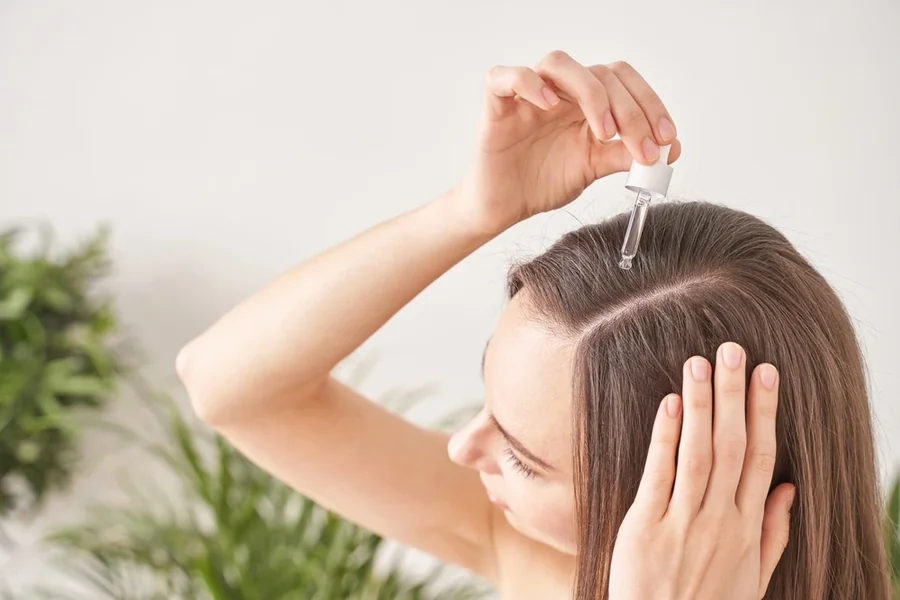
Hair has always been more than just a physical feature — it’s deeply connected to identity, self-expression, and confidence. For many people, experiencing thinning hair or hair loss can be stressful and even overwhelming. The good news is that modern science and aesthetics now offer effective solutions designed to promote natural hair growth and restore self-assurance.
From non-invasive therapies to holistic lifestyle adjustments, today’s approaches to hair restoration are safer, more accessible, and more effective than ever before.
Why Hair Loss Happens
To understand how to support healthy growth, it’s important to explore why hair loss occurs in the first place. Some of the most common reasons include:
- Genetics: Hereditary hair loss, such as male or female pattern baldness.
- Hormonal changes: Shifts during pregnancy, menopause, or thyroid disorders.
- Stress: Physical or emotional stress can cause temporary shedding.
- Nutritional deficiencies: Lack of protein, iron, zinc, or vitamins weakens follicles.
- Medical conditions: Autoimmune disorders like alopecia areata.
- Lifestyle factors: Over-styling, harsh chemicals, and poor scalp care habits.
While some causes are temporary and reversible, others require long-term management.
Traditional and Medical Solutions
Historically, people turned to oils, massages, and herbal remedies to stimulate growth. While these can improve scalp circulation and hair health, they rarely address deeper issues.
Medical options like Minoxidil and Finasteride are commonly prescribed, but they require consistent use and may cause side effects. Surgical procedures such as hair transplants offer permanent results but are invasive and costly, making them less appealing to many.
Modern Non-Invasive Treatments
Recent advances in aesthetics and dermatology have introduced effective, non-surgical treatments that promote natural hair growth. These approaches are increasingly popular due to their safety, convenience, and visible results.
1. Platelet-Rich Plasma (PRP) Therapy
PRP therapy uses the body’s own healing potential. Blood is drawn, processed to concentrate growth factors, and injected into the scalp to rejuvenate dormant follicles.
2. Low-Level Laser Therapy (LLLT)
Red light therapy improves circulation in the scalp, energizing hair follicles and encouraging stronger growth.
3. Microneedling with Serums
Tiny punctures created in the scalp stimulate natural healing while delivering nutrients directly to the follicles.
4. Medical-Grade Scalp Care
Deep-cleansing and nourishing scalp treatments remove buildup, reduce inflammation, and restore balance — an essential foundation for new growth.
5. Comprehensive Programs
Many modern clinics now combine multiple therapies for enhanced results. For example, treatments like V Aesthetics Hair Grow are designed to focus on scalp health while stimulating follicle activity, giving clients a non-invasive and personalized solution for hair restoration.
Benefits of Modern Hair Growth Treatments
Non-invasive therapies come with several advantages:
- Safe and effective: Performed by professionals using clinically tested methods.
- Natural results: Treatments work with the body’s own processes to encourage growth.
- Convenience: Minimal downtime, allowing people to return to daily routines quickly.
- Confidence boost: Restoring hair often helps restore self-esteem.
- Customizable: Programs can be tailored to individual needs and severity of loss.
Lifestyle Habits That Support Growth
Professional treatments are most effective when paired with healthy everyday habits:
- Balanced diet: Include protein, vitamins (like Biotin and Vitamin D), and minerals (like iron and zinc).
- Stress management: Practices such as yoga, meditation, or exercise reduce stress-related shedding.
- Gentle hair care: Avoid harsh chemicals, excessive heat, and tight hairstyles.
- Adequate sleep: Rest is essential for repair and regeneration.
- Hydration: Drinking enough water supports overall scalp and follicle health.
These habits help maximize treatment outcomes and support long-term hair vitality.
Emotional Impact of Hair Loss
Hair loss doesn’t just affect appearance — it impacts emotions and self-image too. Many people experiencing thinning or balding report lower confidence and social anxiety. This is why addressing hair loss isn’t only about aesthetics; it’s also about well-being.
Solutions can include:
- Support groups for sharing experiences.
- Counseling for those facing stress or self-esteem challenges.
- Cosmetic aids like wigs, scarves, or microblading as temporary support.
By tackling both the physical and emotional sides of hair loss, individuals can achieve a more complete recovery.
The Future of Hair Restoration
The future looks bright for hair growth treatments. Ongoing research into regenerative medicine, stem cell therapy, and genetic solutions promises even more effective options. Technology is also making treatments smarter, with AI-powered scalp analysis and personalized growth programs becoming more common.
We can also expect hair restoration to be increasingly integrated into overall wellness, combining nutrition, lifestyle advice, and non-invasive therapies for sustainable results.
Final Thoughts
Hair loss can be a challenging experience, but it no longer has to be faced without hope. Today’s hair growth treatments are designed to be effective, safe, and accessible, helping people achieve fuller, healthier hair without surgery.
From PRP and laser therapy to holistic programs like V Aesthetics Hair Grow, modern solutions provide real opportunities for regaining not just hair, but also confidence and peace of mind. With professional guidance and supportive lifestyle habits, the path to healthier hair is more achievable than ever.
